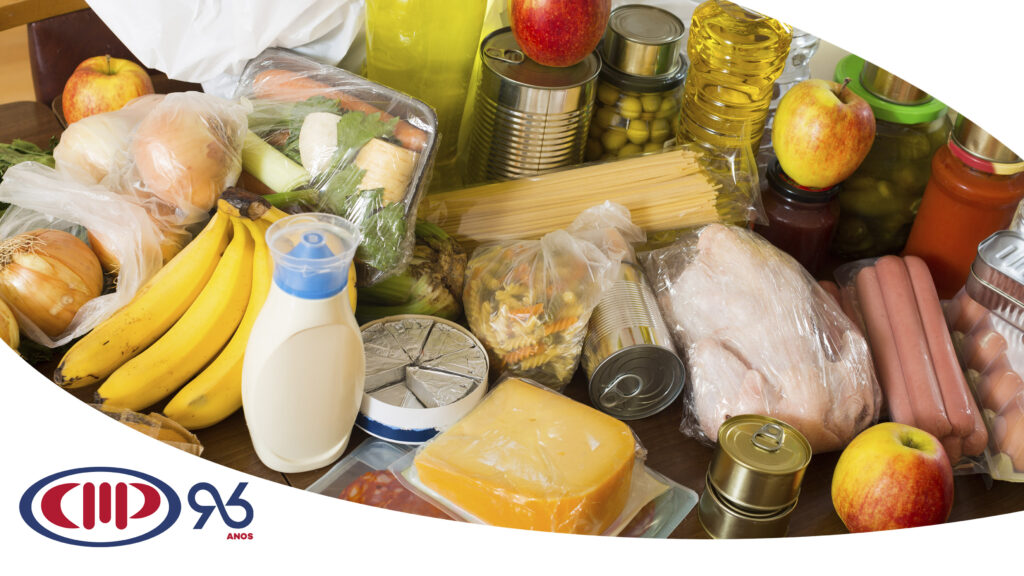
Speaking of consumer and consumption, today we are extremely guided by the linear consumption model, which is based on production, consumption, disposal and depletion of resources. In this model, there is a desire for consumption, strongly driven by advertising and with a large generation of waste. The large generation of waste is a systemic problem, difficult to make tangible and materialize immediately in the eyes of the consumer. The linear consumption model accelerates the depletion of resources and does not consider the revaluation of waste.
But, fortunately, if on the one hand we have hyperconsumption with a large generation of waste, on the other we have the construction of a new ethics of consumption, aimed at raising consumer awareness of their choices. In this new ethics, the circular economy enters, with a new way of producing, consuming and relating.
With the circular economy comes information, the possibility of integrated use, reuse, rethinking and sharing, reducing waste. Circularity changes the soul of the economy. In circularity, the future is more important than the past. In circularity, the attitude of the consumer counts. In circularity, we create inspiring systems for reflection and decision. In the circular economy, we don't think about results, but about prosperity.
Within the circular concept, we can use steel for packaging, which preserves the initial value and is 100% recyclable and 100% reused. 80% of all steel produced in the world is still in use, but much remains to be done. We need to creatively rethink how to bring back 100% from materials so that we can truly build a future. And this is yet another challenge for Prolata, an association created by Abeaço, with a focus on the correct disposal of steel cans for recycling; and the National Solid Waste Policy (PNRS).
The recycling model instituted by Prolata was inspired by the cases of Sweden and Switzerland, successful countries not only in their recycling rates, which reach 82% in the case of steel cans, but also in the models instituted, which generate efficiency and the sharing of responsibility among all the links in the chain. The recycling model that Prolata is adopting in Brazil was established after rigorous benchmark work in European countries.
However, actions like this will not be possible if we do not motivate the consumer to collaborate. It is essential that consumers understand that taking products packaged in recyclable and recycled materials, such as steel, is an economy for society as a whole.